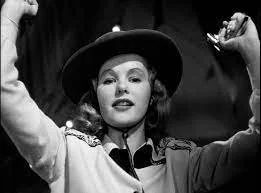
Kusama: Infinity (2018)
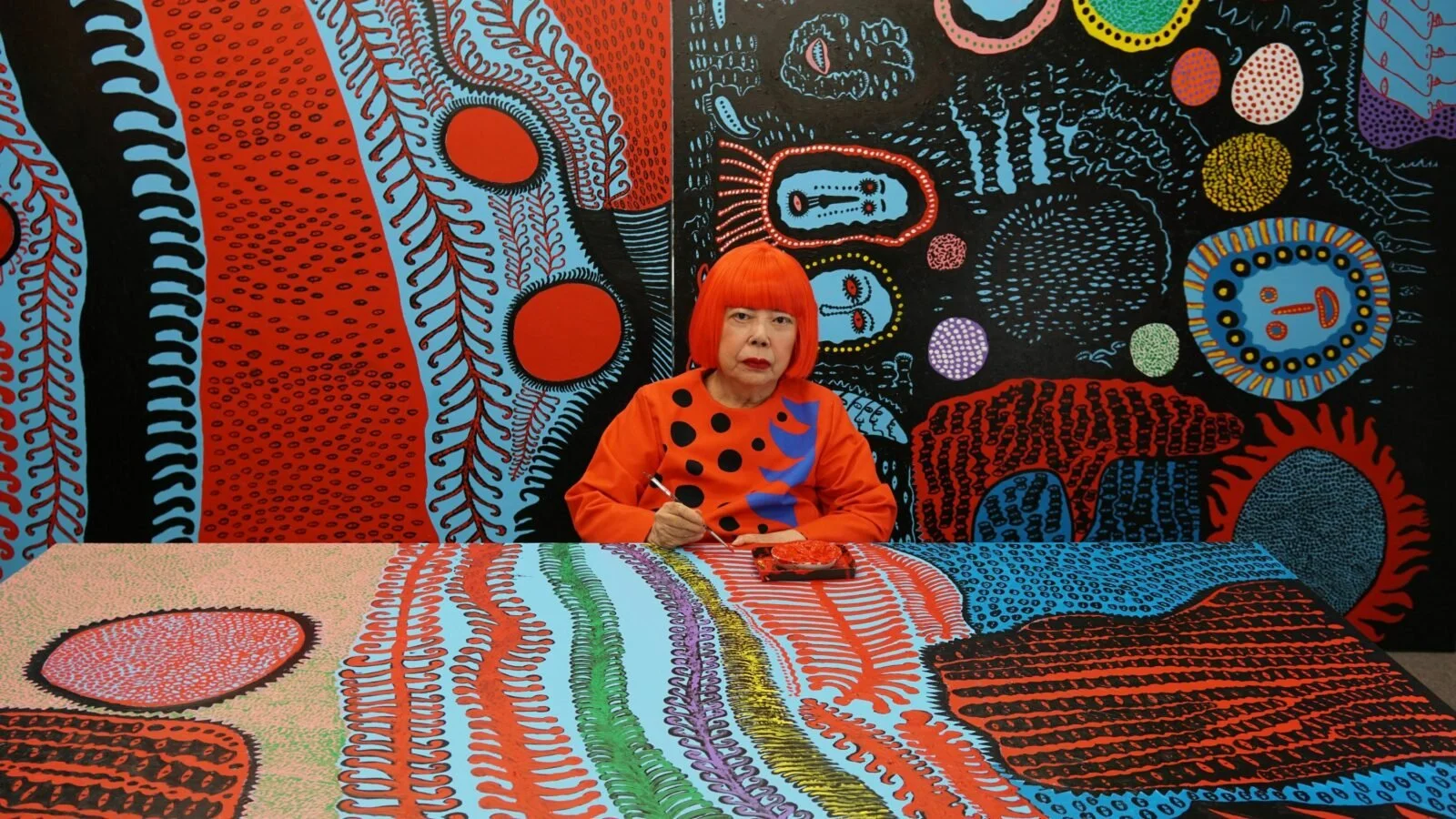
Yayoi Kusama is one of the most unique and significant living modern artists. Rising to prominence in the 1960s, she overcame racism, sexism, and mental illness to become the top-selling female artist in the world.
Capturing Madonna at the height of her pop-culture dominance during the Blond Ambition Tour, this influential and popular documentary straddles the line between gritty authenticity and highly manufactured spin.
This experiment in form by filmmaking master Orson Welles has become a touchstone in the development of the “visual essay” format now popular in online video culture. Welles’s film is a conscientious magic trick—supposedly a profile of art forger Elmyr de Hory, it also explores hoax biographer Clifford Irving, Welles’s own history of famous hoaxes, and even the relationship of his mistress, Oja Kodar, to Picasso.
Pablo Picasso is perhaps the most significant figure in European fine art in the first half of the 20th century, leading the way in innovative styles such as Cubism and Surrealism, while producing highly recognizable works that addressed both personal and political themes.
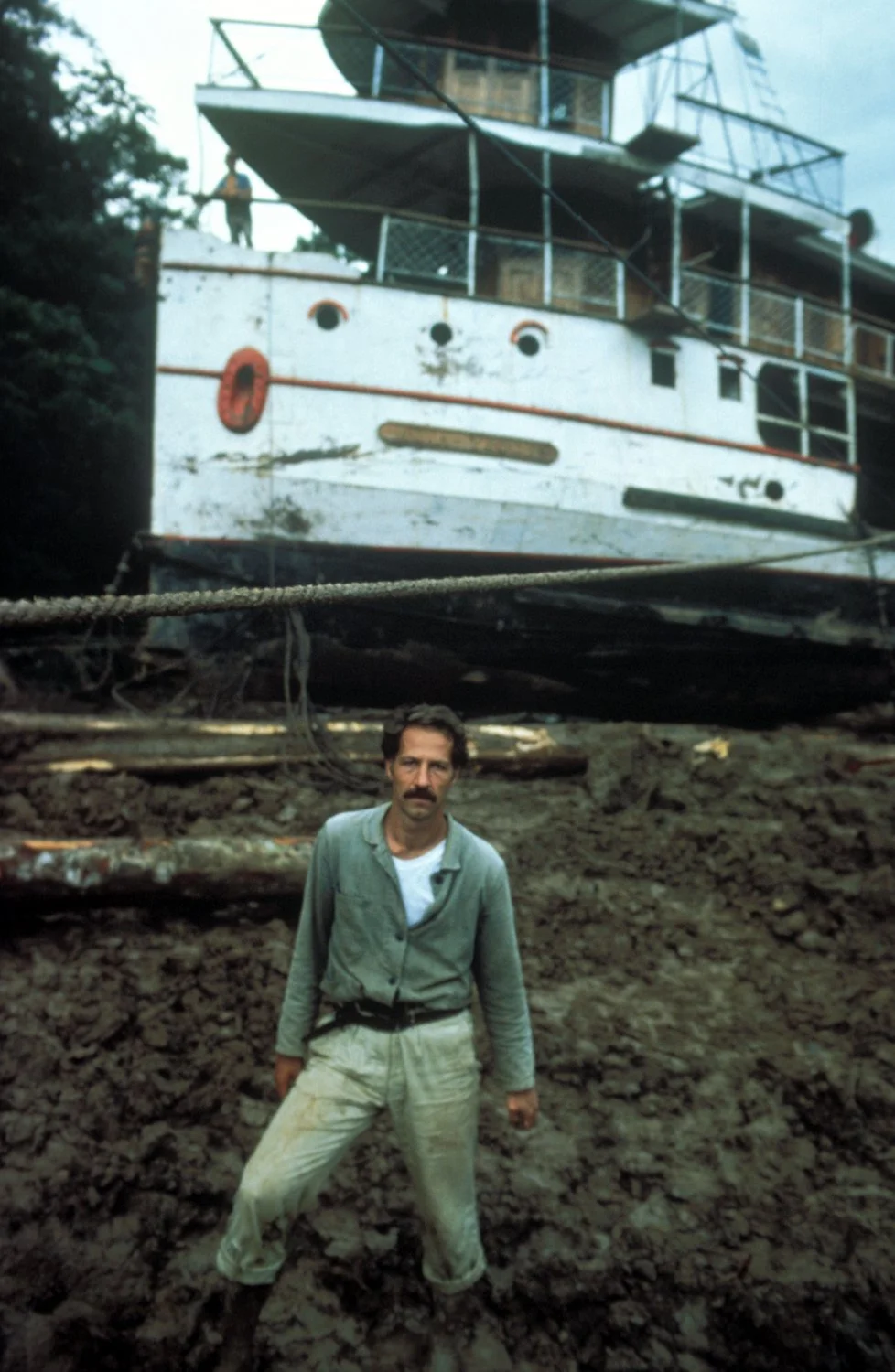
Les Blank was best known for his profiles of musicians when he took on the monumental task of documenting the making of Werner Herzog's equally monumental production Fitzcarraldo. The film itself was the story of an act of extreme obsession—the transportation of a steamship by land over the Andes Mountains. Herzog’s decision to replicate the feat in real life resulted in the production becoming a real-world mirror of the story’s depiction of the limits of mental and physical endurance.
Just in time for the holidays, we’re bringing back the double feature. Join us for a festive celebration of Christmas and cinema at our Discovery Double Feature of Elf and Being There. Enjoy movie trivia from Tail Spin and browse our film-themed Christmas Market—the perfect spot to find a last-minute gift for the cinephile in your life.
Few films still have the power to entertain and enthrall audiences after a century like The Phantom of the Opera, the classic horror melodrama starring Lon Chaney and a cast of thousands.
Directed by Alfred Hitchcock | USA | 121 min
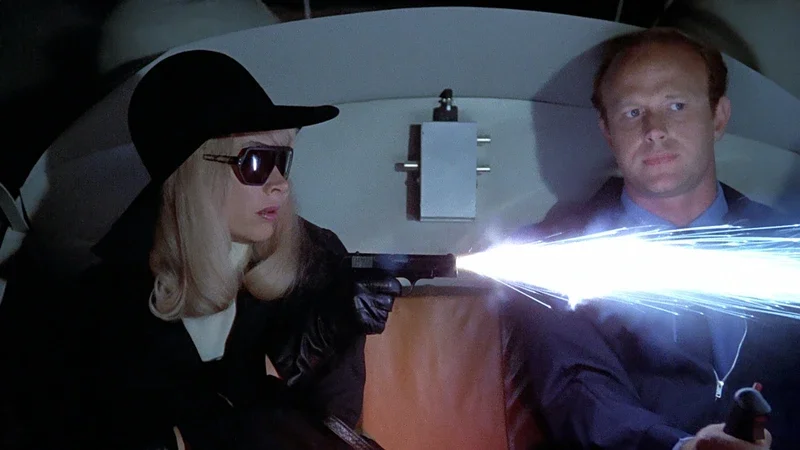
The closing title of the series is the last work of cinematic master Alfred Hitchcock, a loose adaptation of Victor Canning’s The Rainbird Pattern, (1972) originally titled Deceit. With a witty script by Ernest Lehman and a John Williams score, Family Plot is a dark comedy set in sunny California, focused on a pair of grifters, spiritualist Blanche Tyler (Barbara Harris) and her unemployed actor boyfriend, George Lumley (Bruce Dern) as they pursue a missing heir for a cash reward. Film music scholar Jack Sullivan has described Family Plot as a “frenetic ballet of crisscrossing con artists,” which captures the film’s signature energies. In contrast to the violent set-pieces featured in Psycho (1960), and the later film Frenzy (1972), Hitchcock’s parting shot is a lighter work designed to amuse, calling back to earlier comedies like Mr. and Mrs. Smith (1941) and The Trouble with Harry (1955).
Part of our Final Frames Series.
Presented in collaboration with Dr. Lee Carruthers (University of Calgary) with support from the Social Sciences and Humanities Research Council of Canada.
In the spirit of respect, reciprocity and truth, we honour and acknowledge that this screening takes place on Moh’kinsstis and the traditional Treaty 7 territory, as well as the oral practices of the Blackfoot confederacy: Siksika, Kainai, Piikani as well as the Îyâxe Nakoda and Tsuut’ina nations. We acknowledge that this territory is home to the Otipemisiwak Métis Government of the Métis Nation within Alberta District 6. Finally, we acknowledge all Nations, Indigenous and non, who live, work and play, as well as help steward this land, honour and celebrate this territory.
Perhaps the best-known monochrome film in the history of cinema, Derek Jarman’s Blue is a profound audiovisual experiment, foregoing conventional representation to offer a single, saturated frame of Yves Klein blue.
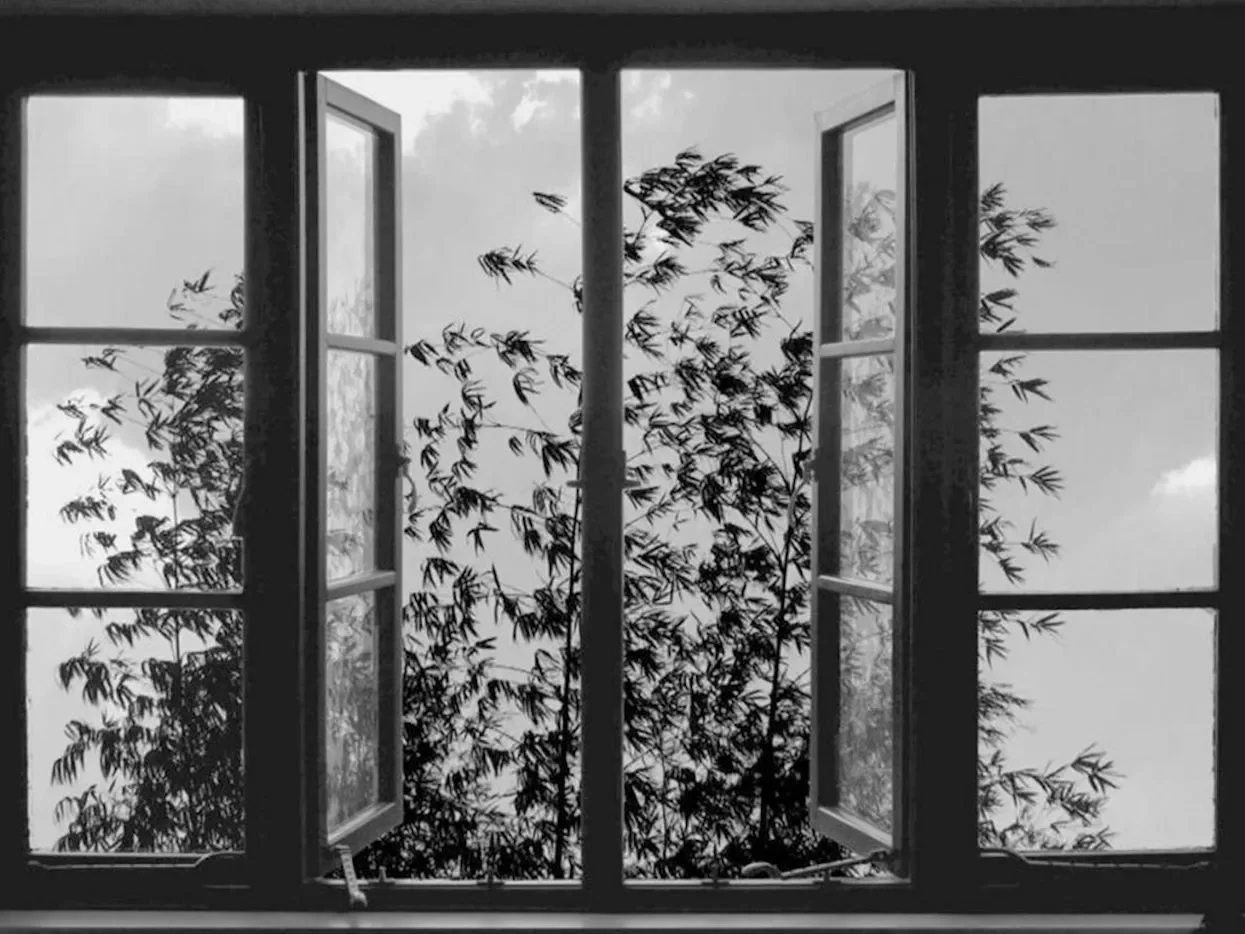
24 Frames (2017) is a final, elegiac work from Iranian filmmaker Abbas Kiarostami. The project was originally conceived as a collaboration with the Louvre, animating a series of iconic paintings by Brueghel, Picasso, Millet, and others by adding layers of digital imagery and sound elements.
Orson Welles’ final film, The Other Side of the Wind, has a certain notoriety: messy and ambitious, shot over a six-year period between 1970-1976 with his partner Oja Kodar, the sprawling production was never completed. Three decades after Welles’ death and an extended legal battle, 100 hours of footage was retrieved from a Paris vault and painstakingly reconstructed, led by Welles’ friend and collaborator, director Peter Bogdanovich.
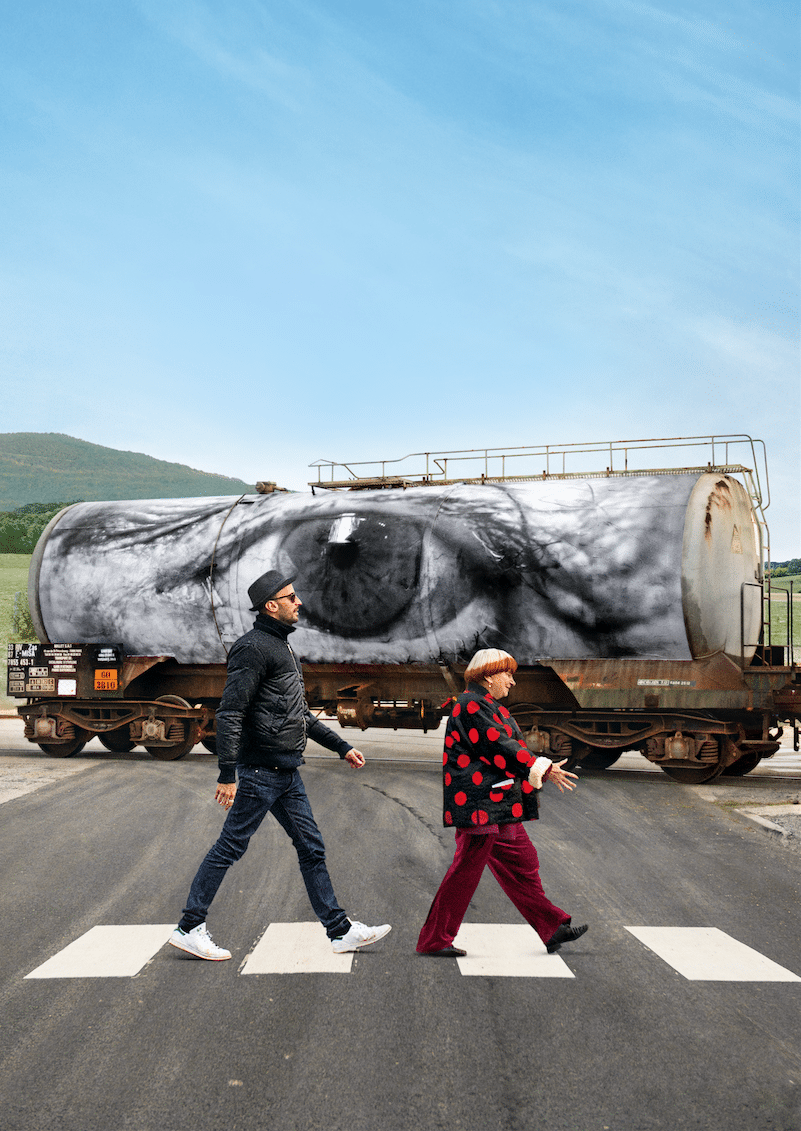
Described by critic Amy Taubin as “an unassuming masterpiece,” Faces Places is an ideal launch point for the series’ focus on late and last works. The film frames an unlikely creative collaboration, bringing together Agnes Varda, titan of French cinema, and the much younger street photographer, J.R.
At 23, acclaimed actress Hiam Abbass (Succession, Ramy, The Visitor) left her Palestinian village of Deir Hanna — and the grandmother, mother, and sisters she grew up with — to pursue acting in France. Three decades later, her daughter, filmmaker Lina Soualem, joins her on a journey to retrace their family’s history: from childhood summers by Lake Tiberias, where Abbass’s grandparents were expelled in 1948, to the shifting landscapes of their ancestral home. Blending family archives, historical footage, and intimate testimony, Bye Bye Tiberias becomes a tender portrait of four generations of women bound by memory, shaped by separation, and sustained by enduring connection.
The Calgary Underground Film Festival & Calgary Cinematheque are excited to present the 50th anniversary screening of The Rocky Horror Picture Show! This is the perfect lead in to Pride Week, featuring live performances from Fake Mustache and the evening hosted by Phil.
Spike Lee’s masterpiece captures the hottest day of the summer turning “everyday” class and racial tensions into a political pressure cooker that is still as relevant in 2025 as it was in 1989. The camera moves, and the performers shine with a vibrancy that other filmmakers have been chasing for over thirty years, to no avail.
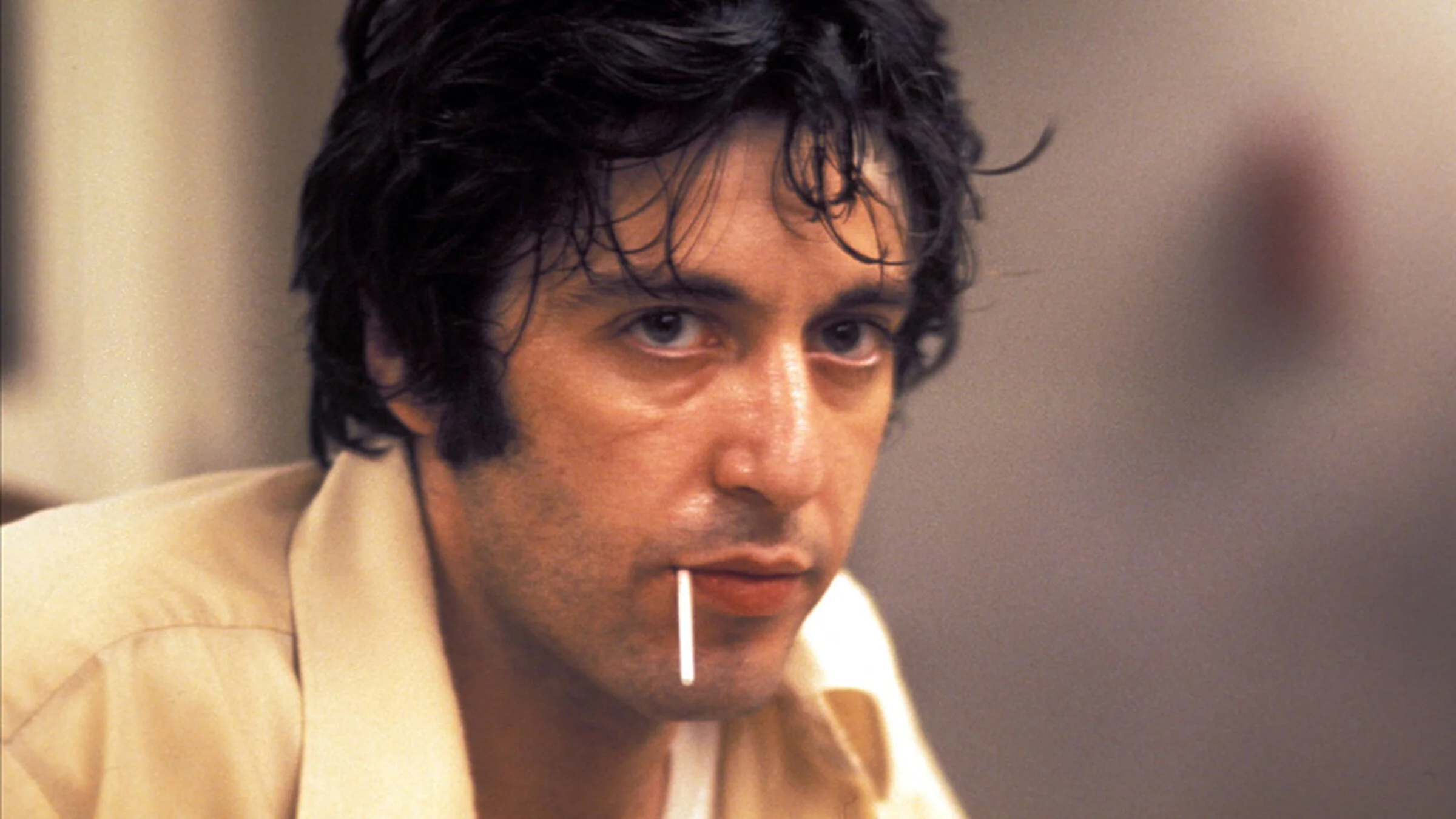
Set on a hot summer day in Brooklyn, this crime thriller is based upon a true story. A heist goes wrong, and all of a sudden two thieves (Al Pacino and John Cazale) are stuck holding hostages in a sweltering bank.
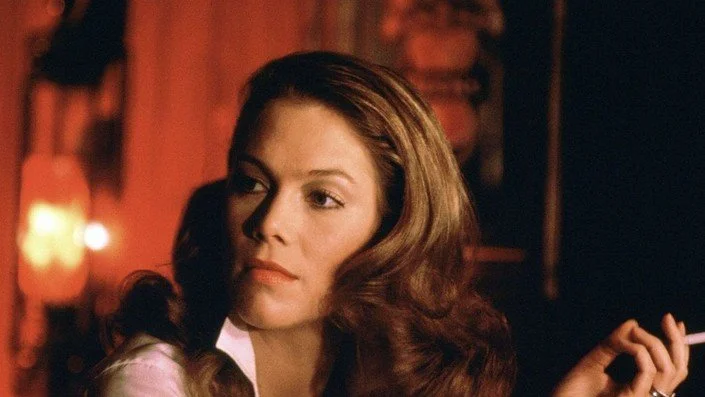
Set in sweltering South Florida, the film’s noir elements unravel in a manner heavily inspired by Billy Wilder’s Double Indemnity. Like many classic American noirs, our main character, played by William Hurt, meets an irresistible woman and soon finds himself in a fiery plot.
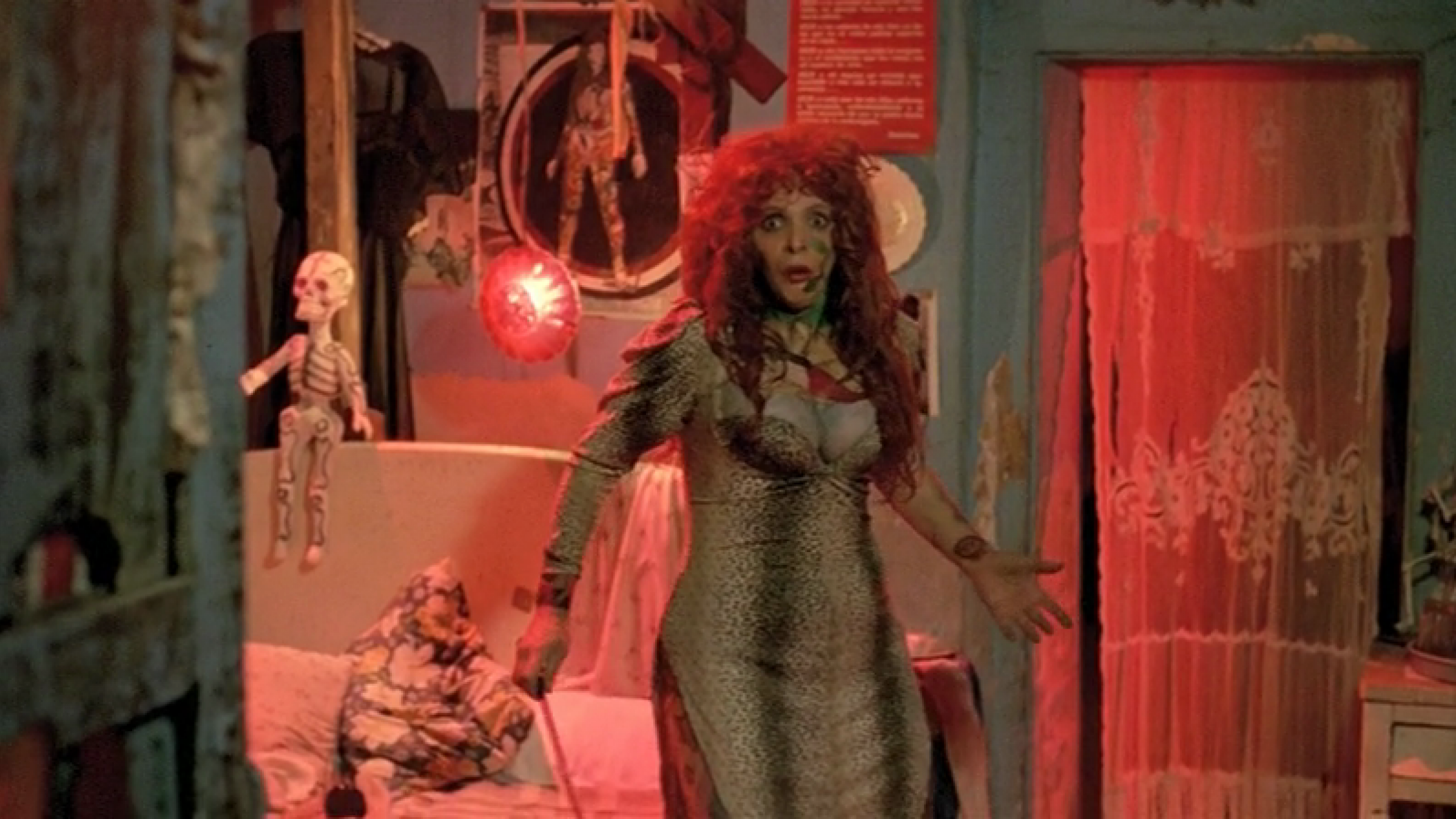
A former circus boy, now an asylum inmate, is haunted by childhood trauma and his fanatical, armless mother. Santa Sangre is a surreal eruption of madness, religion, and Freudian nightmare—equal parts performance and possession.
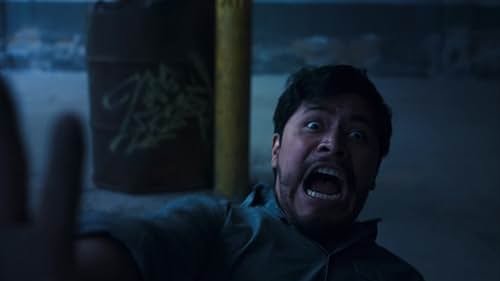
After covering a grisly crime scene, a photojournalist begins to physically disappear—his body vanishing piece by piece. As he descends into Mexico City’s violent underworld, he’s consumed by madness, grief, and the moral weight of what he’s witnessed.
A young woman’s long-awaited pregnancy becomes a waking nightmare, as she’s haunted by visions and the sound of breaking bones. Huesera: The Bone Woman blends body horror with urban folklore and brujería, confronting the generational pressures placed on women’s bodies and lives.
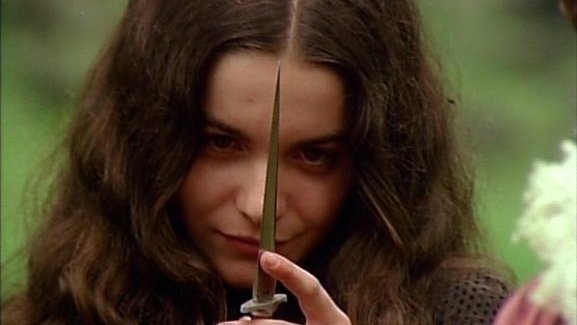
Two orphaned girls find friendship—and something far more sinister—inside a convent. When one falls under a satanic influence, the film spirals into exorcism, blood-soaked ritual, and unrelenting hysteria.
An aging antiques dealer stumbles upon a golden scarab device that grants eternal life—but at a horrifying cost. Cronos, Guillermo del Toro’s lush, haunting debut, reimagines the vampire myth through a Mexican lens steeped in Catholic imagery, familial bonds, and alchemical horror.
After almost 90 years, these classic cartoons have been restored from their original film elements by Fabulous Fleischer Cartoons Restored, an effort led by Max Fleischer's granddaughter Jane Reid. Calgary Cinematheque Society and Quickdraw Animation Society are proud to present six classic restored cartoons from the Fleischer catalogue, introduced by Kevin D.A. Kurytnik and featuring both a mini-documentary on the Fleischer Superman cartoons and a special Q&A after the show with Jane Reid herself, moderated by Kevin Kurytnik. Don't miss a wonderful evening of animation history!
This film follows two girls from opposite sides of the track who find themselves confined to the same mental hospital. One is there due to a run-in with the police, the other sent by her prominent father. The two develop a bond and decide to escape and run away to the streets of Times Square, New York.
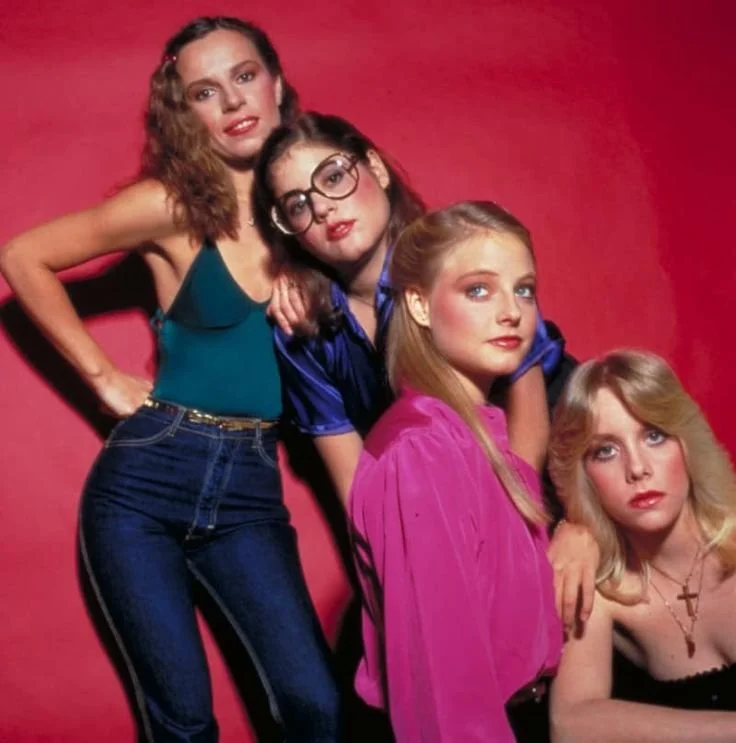
This coming-of-age story follows four teenagers living in Los Angeles’ San Fernando Valley. The film exudes punk rock energy, thanks to an outstanding performance by rock legend Cherie Currie of The Runaways.
At summer camp, two 15-year-old rivals from different walks of life are pressured by their fellow campers into competing in a contest: the first girl to lose her virginity will be declared the winner. While the premise sounds like something out of the American Pie franchise, this film has more in common with a coming-of-age drama than a screwball comedy.
The big screen debut of cultural icon Dolly Parton, this Oscar-nominated (Best Original Song) mega box office hit proved to studios that a film led by women could become a major success. Three office workers (Dolly Parton, Jane Fonda, and Lily Tomlin) are sick and tired of their boss taking advantage of them—both professionally and personally—and decide to fight back. They bring their revenge fantasies to life in this hilarious comedy that changed both the game and the workplace forever.
The Surrealist artistic movement was born in the aftermath of World War I, as shell-shocked nations strove to rebuild and artists began to explore the unconscious mind, seeking to synthesize an expression of the illogical world of dreams with the cold reality they found themselves in.
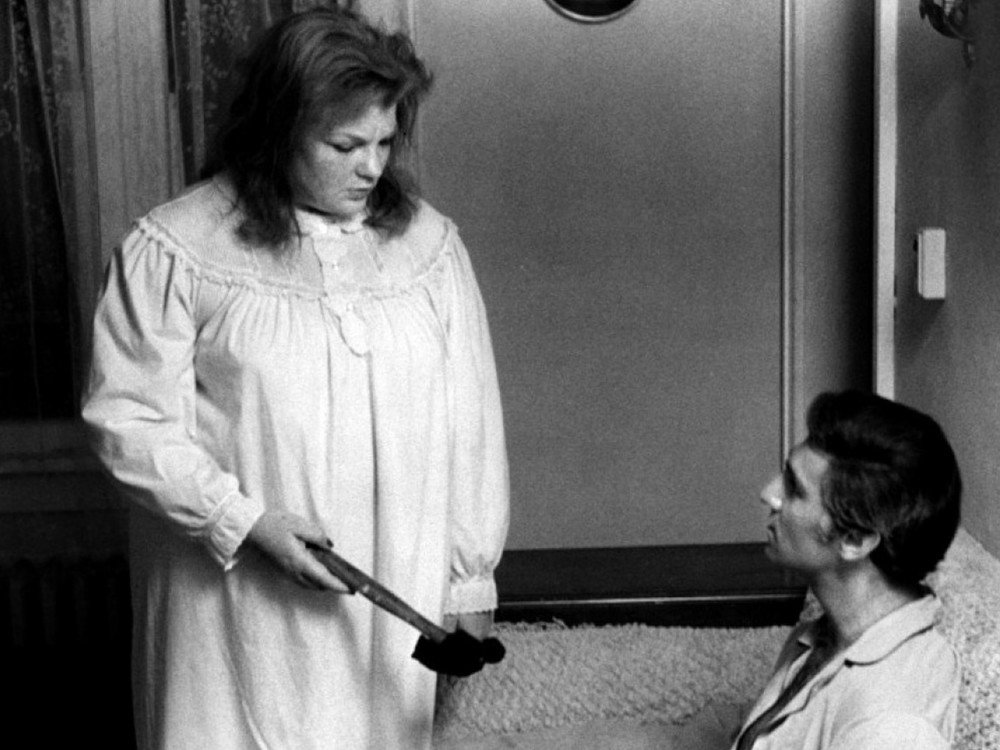
Martha (an unforgettable Shirley Stoler) finds a pen pal through a lonely hearts correspondence in the form of Ray (Tony Lo Bianco). The fact that Ray is a serial killer conman who robs wealthy widows of their money is no problem for Martha; she joins in on the game. But Martha’s fierce jealousy of Ray’s entanglements with his marks soon leads to desperate and dangerous consequences.
This explosive potboiler ran as a B-picture when it first debuted, but became an undeniable influence on the development of the subgenre. Even more so than films like Detour and They Live by Night, Gun Crazy lays bare the American obsession with cars, guns, and sex. Peggy Cummins and John Dall portray a couple of fugitive criminals whose intense sexual chemistry is ignited and fueled almost entirely by their fetish for guns. Director Lewis told Cummins to play her part like a dog "in heat" and Dall like he'd "never been so hard," resulting in a pair of charged performances that sell what the script, written by the blacklisted Dalton Trumbo under a pseudonym, could not explicitly talk about.
Tarantino and Scorsese meet Thelma & Louise and Bonnie & Clyde in this crime thriller based on true events, set in 1965 Buenos Aires. Nene (Leonardo Sbaraglia) and Angel (Eduardo Noriega) are known as "The Twins," ruthless bank robbers and inseparable lovers. When a heist goes awry, the two go into hiding with their getaway driver and his girlfriend. Angel’s sudden coldness toward Nene threatens their relationship, and the bisexual Nene takes up with a local prostitute (Leticia Bredice), who tests his loyalty to Angel as the police close in.